10 Benefits of a Fleet Management System for Small Fleets
Drafted with AI assistance and published by the Locate2u Editorial Team. See our editorial policy.
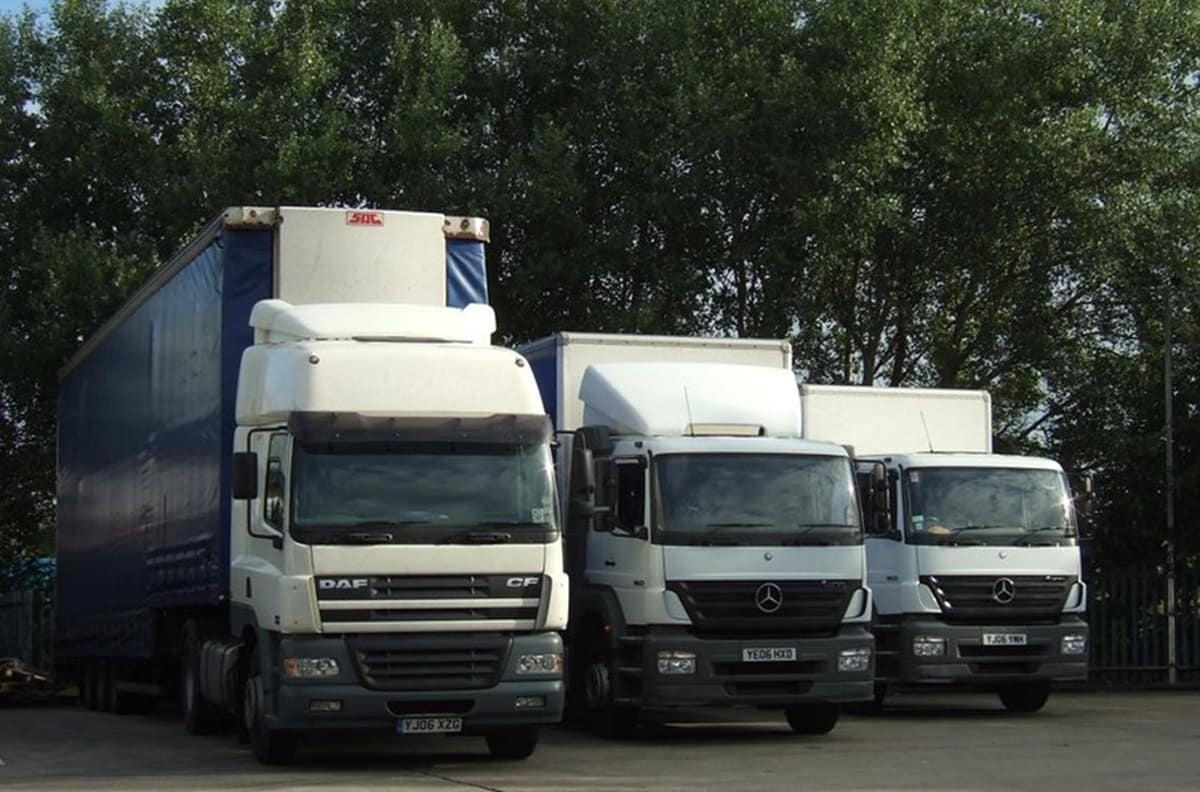
If you run a small fleet, somewhere between two and twenty vehicles, you probably do not have a fleet manager. You have an owner, an office manager or a lead driver who handles fleet jobs in between everything else.
That is exactly why a fleet management system can matter more to a small business than to a big one. Large fleets have people whose whole job is tracking services, fuel and paperwork. Small fleets have a spreadsheet, a whiteboard and someone's memory.
Here are ten benefits of fleet management software written for that situation, where every vehicle counts and nobody has spare hours.
Why small fleets feel problems faster
Say you run five vans. If one is off the road with a fault nobody spotted, you have lost a big share of your capacity for the day, not a rounding error. If one driver is idling for an hour every afternoon, you notice it in the fuel bill.
Small fleets also have less slack. There is no spare vehicle sitting in the yard and no admin team to absorb extra work. The benefits below are mostly about catching problems early and taking routine jobs off one busy person's plate.
Ten benefits for small fleets
1. You stop being the switchboard
In many small businesses, the owner's phone is the fleet tracking system. Customers call to ask where the driver is, and the owner calls the driver to find out.
A live dashboard shows every vehicle's location, status and current task on one screen. You can answer the question yourself in seconds, without interrupting a driver on the road.
2. Servicing happens before something breaks
When maintenance lives in someone's head, services get pushed back until a warning light forces the issue. Odometer-based or calendar-based reminders tell you when each vehicle is due, so oil changes and tire rotations happen on schedule.
If your vehicles have an OBD2 port, a plug-in tracker can also read engine fault codes, battery voltage and coolant temperature, so you hear about a problem before it becomes a breakdown. Our guide on how to keep track of fleet maintenance covers how to set up a schedule.
3. Registration, insurance and license dates stop slipping
A lapsed registration or an expired driver license is easy to miss when you have a handful of vehicles and no compliance officer. Automated alerts for license expiry, registration renewals and insurance deadlines, with the documents stored in one place, take that worry away.
4. Fuel spend becomes something you can see
A single fuel bill for the whole business does not tell you much. Fuel consumption reports broken down by vehicle, driver and route show where the money actually goes.
Idle time detection is often the quickest win. A van left running at every stop burns fuel without moving, and once you can see it, it is an easy conversation to have. For more ideas, read six strategies to reduce fleet fuel costs.
5. Coaching drivers with facts, not feelings
In a small team, telling a driver they brake too hard can feel personal. Driver scorecards that log harsh braking, rapid acceleration and speeding turn it into a shared set of facts.
You can compare drivers on the same measures, praise the ones doing well and coach the rest. Safer driving also means less wear on brakes and tires, which matters when you only have a few vehicles to keep running.
6. Better protection against theft and misuse
Small businesses often park vehicles at drivers' homes or in unsecured yards. GPS tracking hardware gives you around-the-clock visibility of where each vehicle is, and tamper alerts tell you if a device is unplugged or loses power.
Tracked vehicles can also help with insurance. Rental business UR Drive fitted Locate2u GPS devices across its fleet, gained around-the-clock visibility and lowered its insurance premiums. Driver safety reports can be exported for insurers too.
7. Customers get answers without calling
Small businesses often win work on service. Branded tracking links let a customer see where their driver is and when they will arrive, without calling the office.
It makes a small operation look organized and saves the interruptions that eat into your day. The real-time tracking page shows what the customer sees.
8. Disputes and billing get settled with records
When a customer says your driver never turned up, or questions the time on an invoice, you need more than the driver's word. Route playback lets you replay any vehicle's day, and trip reports show distance traveled, time on the road, stops and idle time for any date range.
Those records can be exported for billing or compliance. For a small business, settling one disagreement quickly can protect a customer relationship worth far more than the invoice.
9. Less admin for whoever runs the fleet
Spreadsheets, logbooks and phone notes all take time to keep up. One dashboard that holds maintenance history, fuel logs, trip data and driver scores replaces most of them.
Performance reports on on-time performance, distance traveled and cost per delivery help you see whether the business is getting more efficient as it grows. To see how this links to cost control on the delivery side, read our guide to cost optimization strategies for small delivery businesses.
10. You can start small and grow on the same system
You do not need to fit hardware to every vehicle on day one. The Locate2u driver app tracks location through the driver's smartphone, which works well for many delivery fleets. Dedicated GPS tracking devices make sense when you need tracking around the clock, engine diagnostics or tracking on unpowered equipment such as trailers.
The OBD2 tracker plugs into the diagnostic port with no wiring or tools. As you add vehicles, the same dashboard handles mixed fleets of cars, vans, trucks, motorcycles and electric vehicles, and role-based access lets a new dispatcher or part-time admin see only what they need.
When a small fleet might not need it yet
Not every small business needs a full system straight away. If you run two vehicles, you drive one of them yourself and every job is booked a week ahead, a shared calendar and a service logbook may do the job for now.
The tipping point usually comes when you stop seeing every vehicle every day. That might be a second shift, a new driver, a vehicle parked off site or customers who expect to know when you will arrive. Once you are spending more time chasing information than acting on it, a system is worth a serious look.
If cost is the question, our breakdown of how much fleet management software costs explains how vendors price it, and you can see Locate2u's plans on our pricing page.
The bottom line for small fleets
For a small fleet, the main benefit of a fleet management system is simple: the information you need is already there when you need it. Services are due on a date you can see, fuel use is broken down by vehicle, and customers can check their own delivery.
That gives the person running the fleet time back to run the business.
If you want to see how this looks with your own vehicles, request access to Locate2u.

Related Articles
Real-Time Tracking Myths That Hold Fleets Back
Three real-time tracking myths debunked: that it is surveillance, too costly to set up, or unreliable, plus a practical plan to roll tracking out to your fleet.
8 Ways to Cut Fleet Maintenance Costs
Eight ways fleet management software cuts maintenance costs, from predictive maintenance alerts and route optimization to driver monitoring and training.
5 Ways Fleet Management Software Cuts Fuel Use
How fleet management software improves fuel efficiency through smarter routes, driver behavior coaching, less idling, preventative maintenance and telematics.