How Last Mile Delivery Impacts Customer Satisfaction and Business Growth
Drafted with AI assistance and published by the Locate2u Editorial Team. See our editorial policy.
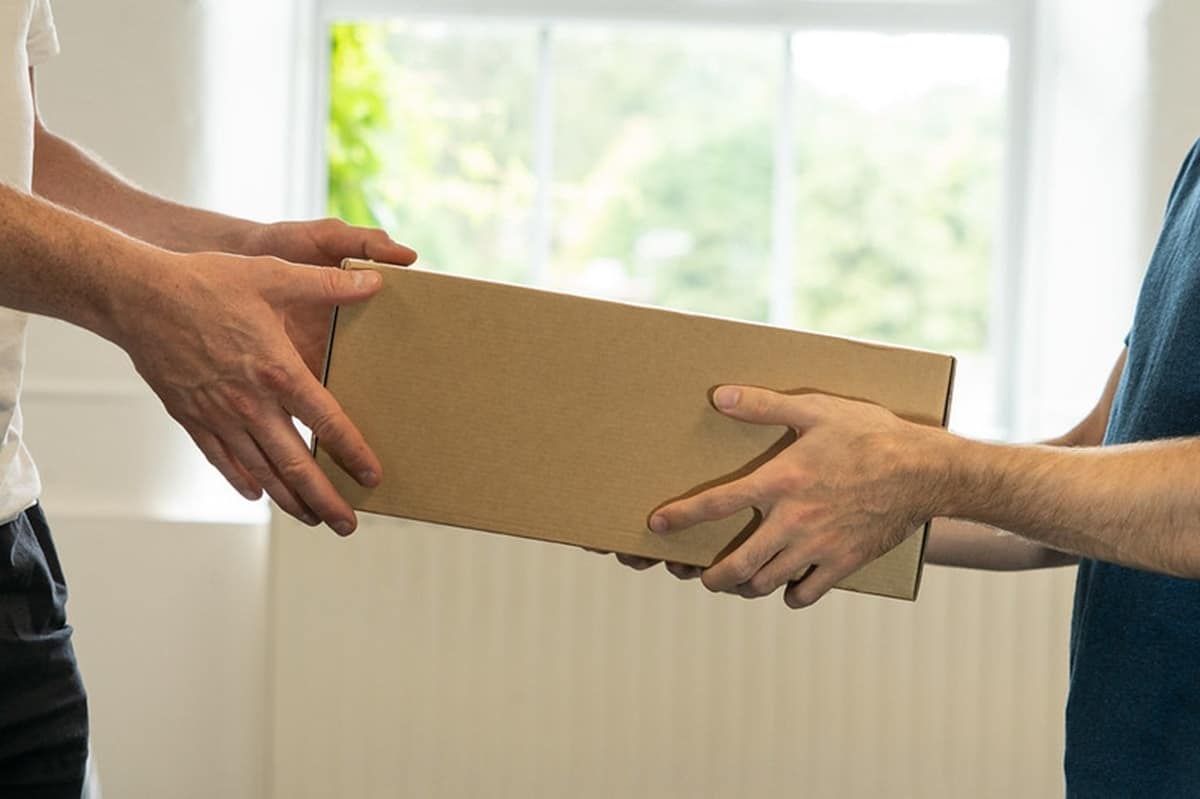
Last mile delivery is the part of your business your customers actually see.
They never watch your warehouse pick their order or your planner build the route. They do watch the tracking page, wait for the van, and open the box on their doorstep.
That makes the last mile one of the strongest links between how you operate and how your business grows, and it is why so many growing businesses lean on delivery management software to keep it consistent.
This guide follows that link step by step: which delivery moments shape satisfaction, how satisfaction turns into growth, and how to check the connection in your own numbers.
The delivery moments that shape satisfaction
Customers do not judge a delivery as one event. They judge a series of small moments, and any one of them can sour the experience.
The promise at checkout
Satisfaction starts with the delivery date or window you offer. If it is vague, unrealistic or inconvenient, the customer is uneasy before anything has shipped.
The wait
Between order and arrival, customers want to know where their order is without having to ask. "Out for delivery" with no time attached is the point where many start refreshing the page, as our piece on why "out for delivery" isn't good enough explains.
The arrival
Did the driver turn up inside the window? Was the customer warned shortly before? Was the driver polite, careful and easy to find?
The handover
The right items, in good condition, left where the customer asked. If nobody was home, a clear photo and note showing exactly where it was left.
The fix, when something goes wrong
Missed deliveries, damage and wrong items will happen. What sticks with customers is how quickly you told them and how easy you made the fix.
Each of these moments is something your operation controls. That is the useful part: last mile satisfaction is not a mystery, it is a set of processes. Fix the process and the experience follows.
How satisfaction turns into growth
A good delivery experience does not grow a business by itself. It works through a few specific channels.
Repeat orders
Acquiring a customer costs money. Keeping them is where most of the return comes from. A customer who had a smooth first delivery has one less reason to try a competitor next time, and one who had a bad one has a strong reason to.
Reviews and word of mouth
Delivery problems show up in product reviews, even when the product was fine. Late, damaged or lost orders drag down ratings that new customers read before buying. Smooth deliveries rarely get written up, but they stop those negative reviews from appearing.
Lower support costs
Every "where is my order?" call or email costs staff time. So does every redelivery, refund and replacement. When customers can see accurate progress and get a clear record of delivery, those contacts fall, and that time goes back into serving more customers.
Room to scale
An operation that runs on phone calls and memory struggles when orders double. One with clear routes, tracked drivers and automatic customer updates can take on more volume without the customer experience falling apart. Growth you cannot deliver well is growth that leaks back out as complaints.
Winning bigger accounts
For sellers who deliver to other businesses, reliable delivery and proof of delivery are often part of what a larger customer checks before signing. Being able to show on-time performance and delivery records helps you win and keep those accounts.
Where the last mile usually goes wrong
If satisfaction is slipping, the cause is usually one of a handful of operational problems:
- Unrealistic windows. Promising times your routes cannot hit.
- Poor ETAs. Estimates that do not update when the day changes. Our guide to accurate ETA estimates covers how to fix this.
- Failed first attempts. Customers not home, wrong addresses, or no access to the building. See how to avoid missed deliveries for practical steps.
- Weak proof of delivery. Blurry photos or no record at all, which turns a simple question into a dispute.
- Silent exceptions. A delay or problem the customer only discovers when the order does not arrive.
- Clumsy returns. A hard return process undoes a good delivery. Our article on reverse logistics for customer satisfaction goes into this.
How to check the link in your own data
You do not need a research team to see how delivery affects growth. You need a few numbers you probably already have.
- Measure delivery performance per order. Record whether each order arrived inside the promised window, whether it succeeded on the first attempt, and whether there was a complaint, damage or redelivery.
- Collect a rating after delivery. A simple one-tap rating sent after the drop-off gives you a satisfaction signal tied to a specific order, driver and route.
- Compare repeat behavior. Look at customers whose first delivery went well against those whose first delivery had a problem. Do they order again at the same rate?
- Track support contacts by cause. Tag "where is my order?" contacts, redelivery requests and damage claims, then watch how they move when you change delivery processes.
- Review by area and driver. Averages hide problems. A single suburb, shift or driver can be responsible for a large share of bad experiences.
Our guide to last mile delivery metrics covers which KPIs give you early warning and how to read them.
Practical ways to improve the last mile
Once you know where the problems are, the fixes tend to be straightforward:
- Offer windows you can keep. Base them on how long your routes really take, including busy periods.
- Optimize routes daily. Plan around time windows, vehicle capacity and traffic, and re-plan when stops are added or canceled.
- Send updates automatically. Dispatched, driver nearby and delivered messages, with a live tracking link, answer most questions before they are asked.
- Capture proof every time. A photo, signature where needed, and notes on anything unusual, attached to the order.
- Close the loop on problems. Tell the customer what happened, what you will do and when, then do it.
- Act on ratings. Follow up low ratings quickly and use the patterns to coach drivers and fix routes.
How Locate2u helps
Locate2u's last mile delivery software handles routing with time-window constraints and real-time re-routing, gives dispatchers a live view of every driver, and sends branded tracking pages with ETA countdowns and automated SMS and email updates to customers.
Drivers capture e-signatures, photos and notes at every stop, and customers can rate each delivery. Those ratings feed dashboards by driver, region and time, so you can see where the experience is slipping.
For a different angle on the same subject, our article on how last mile delivery impacts your product's success looks at brand image and competitive position.
Where to focus first
Last mile delivery shapes customer satisfaction through a handful of moments you control: the promise, the wait, the arrival, the handover and the fix.
Get those right consistently and satisfaction shows up as repeat orders, better reviews, fewer support calls and an operation that can handle more volume. Measure the link in your own data, and you will know exactly where to put your effort next.
To see how your own promise, wait and handover moments look in live data, request access to Locate2u.

Related Articles
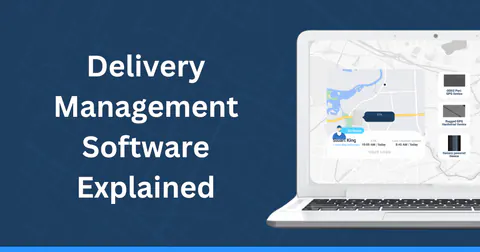
What Is Delivery Management Software?
What delivery management software is, the core features to expect, the benefits for delivery businesses, how to choose a platform and where the market is going.
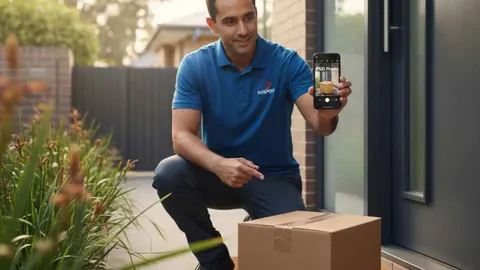
The Future of Proof of Delivery: Photos and Beyond
How proof of delivery is moving beyond paper signatures to photos, GPS timestamps and AI checks, and how to choose the right POD setup for each risk level.
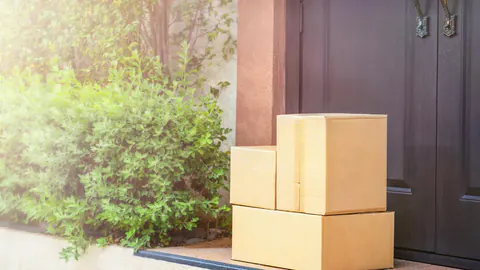
How Proof of Delivery Beats Porch Pirates
Package theft hits delivery businesses as hard as customers. How proof of delivery, live tracking, safer drop-offs and driver training cut porch piracy losses.