Customer Satisfaction in Trucking: Faster, More Reliable Freight
Drafted with AI assistance and published by the Locate2u Editorial Team. See our editorial policy.
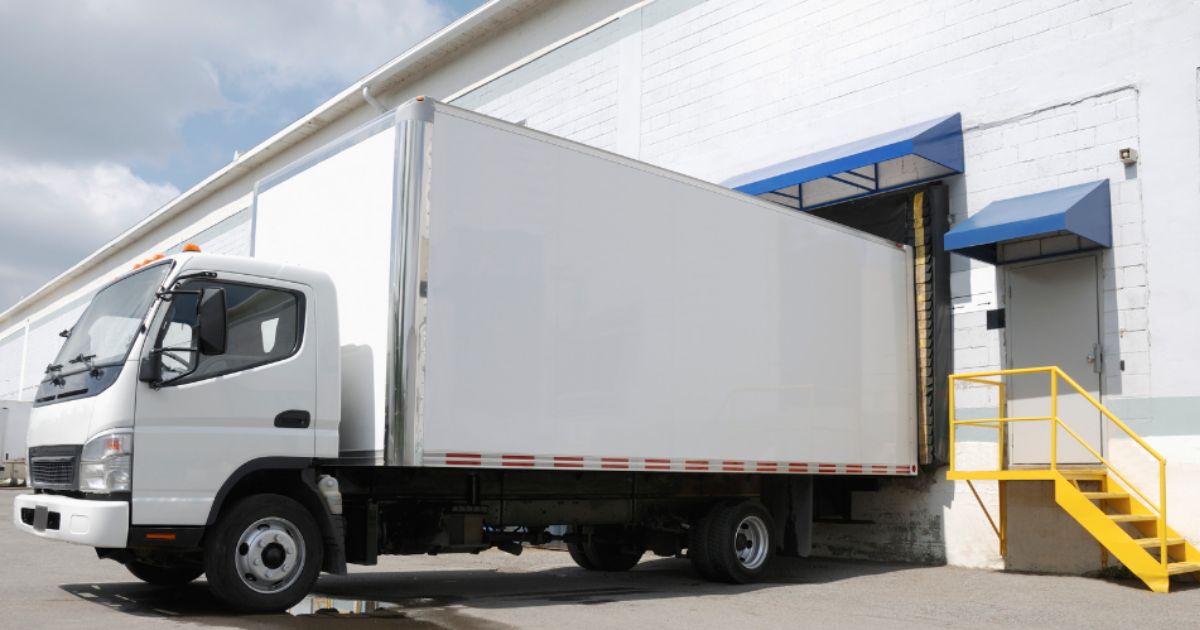
In trucking, customers rarely leave because of one late load. They leave because they stopped trusting what you tell them.
A shipper can plan around a truck that arrives at a predictable time. What they cannot plan around is a truck that might be early, might be late, and nobody calls to say which.
So when you look at customer satisfaction in trucking, speed matters, but reliability and communication matter just as much. This guide covers practical ways to move freight faster without breaking the promises your customers rely on.
Who your customer really is
Most freight moves have at least two parties judging you.
- The shipper books and pays for the load. They care about pickup on time, freight arriving intact, and an invoice that matches the job.
- The receiver unloads it. They care about the truck arriving inside their window, the right paperwork, and not tying up a dock or forklift longer than necessary.
A receiver who has a bad experience will tell the shipper. A shipper who hears that often enough will try another carrier.
That means every improvement below should be judged from both ends of the load. A transport management system helps because it gives both sides the same view of what is happening.
Reliable beats fast
Before chasing speed, get consistent.
A carrier that always arrives within a quoted window is more valuable to most shippers than one that is sometimes early and sometimes very late. Predictability lets your customer book labor, schedule production and promise dates to their own customers.
Once you are hitting your windows reliably, you can start tightening them. That is when speed becomes a real selling point instead of a gamble.
How to boost delivery speed without cutting corners
Most lost time in trucking is not on the open road. It is at docks, in planning and in waiting for information. Here is where to look.
Fix the pickup end first
A truck that waits an hour at a shipper's dock starts every following stop an hour behind.
Agree clear booking cutoffs with regular shippers, confirm the load is ready before dispatching, and ask for accurate weights, dimensions and handling notes at booking. Wrong details at pickup lead to the wrong vehicle, rework and delays.
Plan around real constraints
A route that looks fastest on a map may not suit a semi-trailer. Plan around vehicle size, low bridges, restricted roads, site access and each receiver's opening hours.
Build driver hours into the plan too. In Australia, heavy vehicle drivers must follow the NHVR fatigue management rules on work and rest, and other countries have similar limits. A schedule that only works if a driver skips a required break is not a real schedule.
Cut dwell time at the receiver
Book delivery appointments where receivers offer them, and send an updated ETA when the truck is on its way. A receiver who knows the truck will arrive at a set time can have the dock and the forklift ready.
Make sure drivers carry the right paperwork and know any site rules before they arrive, such as induction requirements, PPE or check-in procedures.
Consolidate and sequence loads sensibly
Group freight by area and delivery window, then sequence stops so drivers are not doubling back. For multi-drop runs, load the trailer in reverse delivery order so the first drop is not buried at the back.
Dispatch changes in real time
Plans change: a load is not ready, a road closes, a receiver moves a booking. Dispatchers need to see where every truck is and reshuffle work quickly. Our guide to truck dispatch software covers what that looks like in practice.
Communicate before the customer asks
The single biggest driver of satisfaction in trucking is usually how you handle problems, not whether they happen.
Delays will happen. What customers remember is whether they found out from you, early, with a new time, or whether they found out when the truck did not turn up.
A few habits make a big difference:
- Flag exceptions early. As soon as a load is at risk of missing its window, tell both shipper and receiver, and give a revised ETA.
- Give customers self-serve visibility. A tracking link or customer portal answers "where is my freight?" without a phone call.
- Keep one point of contact. Customers should not be passed between dispatch, accounts and drivers to get a straight answer.
- Close the loop. Confirm delivery with proof attached, so the shipper does not have to chase it.
Live location data is what makes this possible. Our article on using GPS tracking to optimize freight shipping explains how it feeds ETAs and exception alerts.
Get paperwork right and fast
Paperwork is part of the customer experience. Slow or missing proof of delivery delays your invoice, frustrates the shipper's accounts team, and leaves you exposed when a receiver disputes a delivery.
If you are still unclear on what each document does, our guide to proof of delivery vs bill of lading sets out the difference.
Digital proof of delivery fixes most of the problems. Drivers capture a signature, photos of the freight on site and notes about any issues, and the record is available to the office straight away instead of when the paperwork comes back.
Franz Building Supplies, which delivers heavy and bulky products to construction sites, ran into exactly this problem with disputed deliveries. Its drivers now photograph each delivery on site, and the team uses live tracking alongside proof of delivery. The Franz Building Supplies case study reports that customer disputes dropped to nearly zero.
Protect the freight
Fast and on time does not count for much if the freight arrives damaged.
- Check and record freight condition at pickup, with photos, so pre-existing damage is not blamed on your driver.
- Make sure loads are restrained properly for the vehicle and the trip.
- Note fragile or temperature-sensitive freight at booking so it gets the right vehicle and handling.
- Record condition again at delivery, before the driver leaves.
When a claim does come in, a clear record from both ends of the trip turns a long argument into a quick answer.
Measure what customers feel
You cannot improve satisfaction you do not measure. Track a small set of numbers that line up with what customers notice:
- On-time pickup and on-time delivery, measured against the window you promised.
- Dwell time at shipper and receiver sites.
- Delivery exceptions, and how quickly the customer was told.
- Damage and shortage claims.
- Time from delivery to proof of delivery being available.
- Invoice disputes.
Review them by customer and lane, not just as a company average. One unhappy customer can hide inside a good overall figure. For a wider set of measures, see our list of metrics to track with a TMS.
Where Locate2u fits
Locate2u's transport management tools track shipment milestones from pickup through linehaul to final delivery, with exception alerts and a customer-facing tracking portal for shipment inquiries.
Drivers capture e-signatures, photos and notes in the driver app, and each record is timestamped and GPS-tagged. On the planning side, route optimization accounts for load, distance and delivery constraints, and dashboards track on-time performance and cost per delivery.
If you run haulage, our guide on using a TMS for freight haulage goes into the day-to-day setup.
The short version
Customer satisfaction in trucking comes down to three things: arrive when you said you would, tell customers early when that changes, and prove what you delivered.
Speed follows once those basics are reliable. Cut the waiting at docks, plan around real constraints and keep dispatch flexible, and you will move freight faster without giving customers new reasons to worry.
To see how ETA alerts and proof of delivery would work across your own freight runs, request access to Locate2u.

Related Articles
What Is Delivery Management Software?
What delivery management software is, the core features to expect, the benefits for delivery businesses, how to choose a platform and where the market is going.
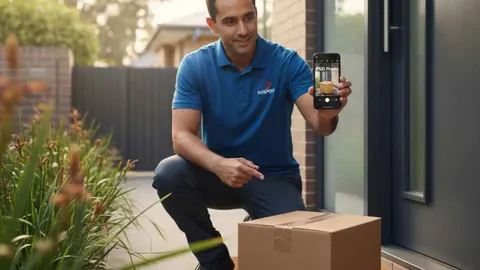
The Future of Proof of Delivery: Photos and Beyond
How proof of delivery is moving beyond paper signatures to photos, GPS timestamps and AI checks, and how to choose the right POD setup for each risk level.

How Proof of Delivery Beats Porch Pirates
Package theft hits delivery businesses as hard as customers. How proof of delivery, live tracking, safer drop-offs and driver training cut porch piracy losses.